The Year of Practice
One thing, every day for a year: go and receive some light that no one made for you.
Morning Sun over a frosted meadowToday's line is marked below. Better still, print the Moon you are in and take the paper outside. The whole book is in the Library, to read here or to download.
Genesis
Ra-Kha · "I am the spark." · The crown
And God said, Let there be light: and there was light.Genesis 1:3, King James Version
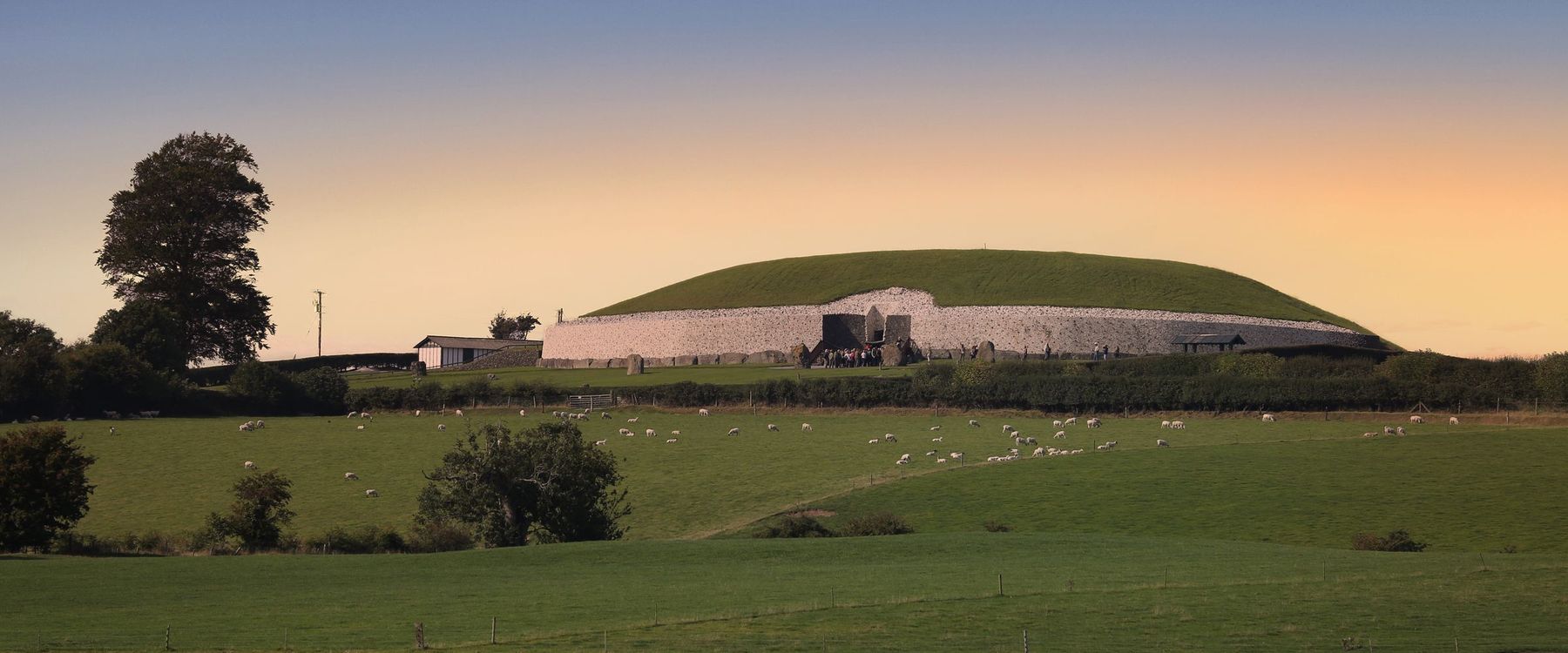
The light of this Moon: first light. Light begins at a point and spreads as a sphere. In a leaf, the whole of life's work begins when one photon is caught by one molecule. At Newgrange in Ireland, five thousand years ago, people built a passage so that the first light of the shortest day would reach a dark room for a few minutes. They could do nothing about the Sun. They built a receiver. This Moon, you are the receiver, and the work is only to be there when the light comes.
The lamp put down. For the first ten minutes after you wake, no screen. Go to daylight first.
Week 1 · Identify · Sunrise
"I see this. I name this." Be outdoors or at a window before the Sun is up, and stay until the day has come. Face any way but toward the Sun.
Without sight: stand where the dawn air reaches you, and notice the first change in sound and in warmth.
- Find where the light first shows this morning. Name the direction.
- What is the first colour in the sky? Name it as exactly as you can.
- Watch one thing, a wall, a tree, your hand, as it goes from grey to coloured.
- Which is the first thing near you that the direct light touches?
- Listen. What begins when the light begins?
- Notice the moment you can no longer call it dark. Did you catch it?
- Breath gate. Six dawns. Which one are you still carrying?
Week 2 · Accept · Noon
"I allow this to be true." Near midday, stand in open shade and look at the lit world from there.
Without sight: step from shade into Sun and back. Feel the edge between them on your skin.
- At noon, find your own shadow. How long is it? Let it be that long.
- From the shade, look at something in full Sun. Let it be as bright as it is.
- Find the brightest thing in view that is not the sky.
- Find the darkest thing in view at noon. It is also lit.
- Hold your open hand in the Sun for the space of three breaths. Something has just arrived.
- This light left the Sun eight minutes ago. Let that be true.
- Breath gate. Where in my life is it plainly noon, and I am calling it dawn?
Week 3 · Embrace · Sunset
"I bring this into my field." Be outdoors for the last light. Turn your back to the Sun and watch what it does to everything else.
Without sight: feel the warmth leave a wall or a stone you are touching.
- Stand with the low Sun behind you. What is lit that was not lit at noon?
- Watch your shadow lengthen. How far does it reach before it is gone?
- Find the last thing the Sun touches where you are.
- Look to the east at sunset. What colour is the sky opposite the Sun?
- Stay until the first lamp or window is lit nearby. Notice the two lights together.
- Let the dusk come without turning on a light, for as long as is safe.
- Breath gate. What did this day give me that I did not make?
Week 4 · Let Go · Night
"I no longer hold this as mine." After dark, go out, or sit by a dark window with the room lights off.
Without sight: sit in the night air and notice how sound travels when the day is done.
- Find the first star, or the Moon. Light has arrived from somewhere else.
- Give your eyes ten minutes in the dark. Notice what appears that was not there at first.
- Find the darkest part of the sky. Rest your eyes there.
- If there is a Moon, find your moon-shadow.
- Light one candle. Sit with it for five minutes. Then put it out and stay for five more.
- Count the made lights you can see from where you stand. Then look above them.
- Moon reflection. In this Moon I went to meet the first light. What in me is just beginning, and what would it take simply to be there for it?
Spiral
Thoth-Ma'at · "I see with clarity." · The brow
I believe a leaf of grass is no less than the journey-work of the stars.Walt Whitman, "Song of Myself", Leaves of Grass, final edition of 1891 to 1892
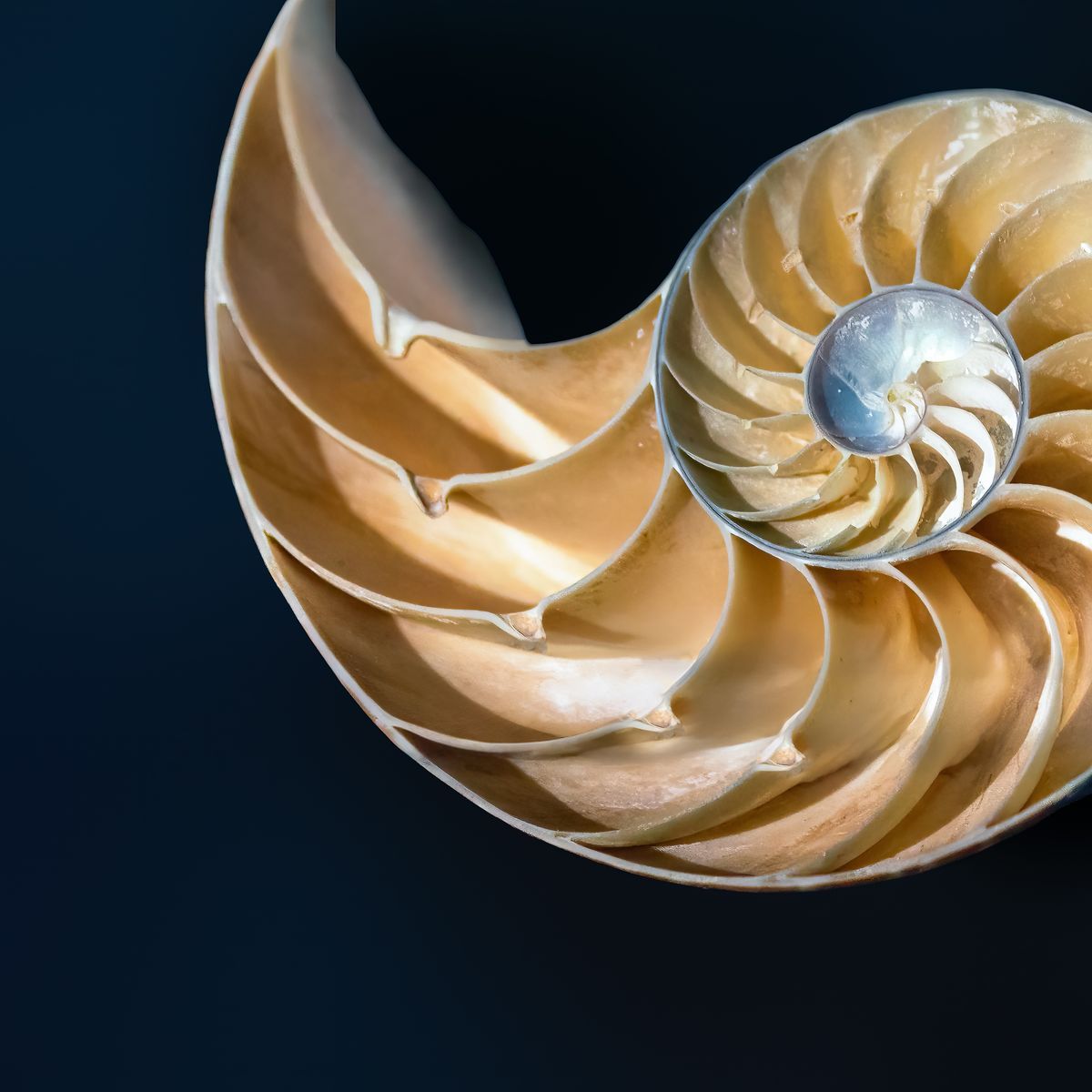
The light of this Moon: light caught by leaves. Light does not travel in spirals. A ray goes straight. The spiral belongs to the one who reaches for it. A sunflower sets its seeds, and a plant its leaves, each turned from the last by the same angle, so that each leaf is shaded as little as possible. The spiral is the shape of reaching. At Chaco Canyon a spiral was carved where a blade of sunlight would cross it at midsummer. This Moon, look at how living things arrange themselves to receive.
The lamp put down. One meal each day with no screen at the table.
Week 1 · Identify · Sunrise
"I see this. I name this." Go to a plant, a tree or a patch of grass in the first light.
Without sight: hold a leaf between your fingers. Find its edge, its ribs, its upper and lower face.
- Find one leaf that the early light is passing through. Look at it from the shaded side.
- Which way do the leaves of this plant face? Name the direction.
- Look down a stem from above. How are the leaves set around it?
- Find a spiral: a pine cone, a seed head, a shell, a fern. Count its arms if you can.
- Find a leaf in shade and one in Sun on the same plant. Name one difference.
- Find dew. Look at the light in one drop.
- Breath gate. What have I seen this week that I had walked past for years?
Week 2 · Accept · Noon
"I allow this to be true." At midday, stand under a tree.
Without sight: stand under leaves and feel the moving patches of warmth and cool.
- Look at the ground under a tree. The round spots of light are images of the Sun.
- Look up through the leaves, away from the Sun. How many layers can you count?
- A leaf is green because green is the light it does not use. Let that be true.
- Find the oldest tree you can reach. Nearly all of it was made from air and water.
- Stand in a tree's shade. It is taking in light on your behalf.
- Breathe out slowly toward a leaf. It can use what you have just given.
- Breath gate. What am I turned toward? Is it where my light comes from?
Week 3 · Embrace · Sunset
"I bring this into my field." Return to the same plant or tree as the light goes.
Without sight: touch a flower that closes at evening, morning and night, and learn its two shapes.
- In low light, look along a field, a lawn or a hedge. The light shows its texture.
- Find a flower that is closing, or a leaf that folds at dusk.
- Watch one tree become a shape against the sky.
- Which leaves hold the light longest?
- Stand where the last Sun comes through leaves. Notice its colour on your hands.
- Put your palm on a tree trunk. It has stood in today's light since dawn.
- Breath gate. Whom have I shaded today? Whom have I left room for?
Week 4 · Let Go · Night
"I no longer hold this as mine." Visit the same plant or tree after dark.
Without sight: stand by a tree at night and listen to its leaves.
- Stand by your tree in the dark. It is breathing as you are now, taking oxygen in.
- Look at the sky through bare or leafy branches.
- Find one plant by moonlight or starlight. What is left of its colour?
- Smell the air near plants at night. It differs from the day.
- By one candle, look at a single leaf or a seed head. Then put the candle out.
- Tomorrow's first light will find every leaf already in place. Rest as they do.
- Moon reflection. In this Moon I watched how living things arrange themselves for light. How have I arranged my days, and what do they face?
Vector
Isis-Aset · "I restore with love." · The throat
I do set my bow in the cloud, and it shall be for a token of a covenant between me and the earth.Genesis 9:13, King James Version
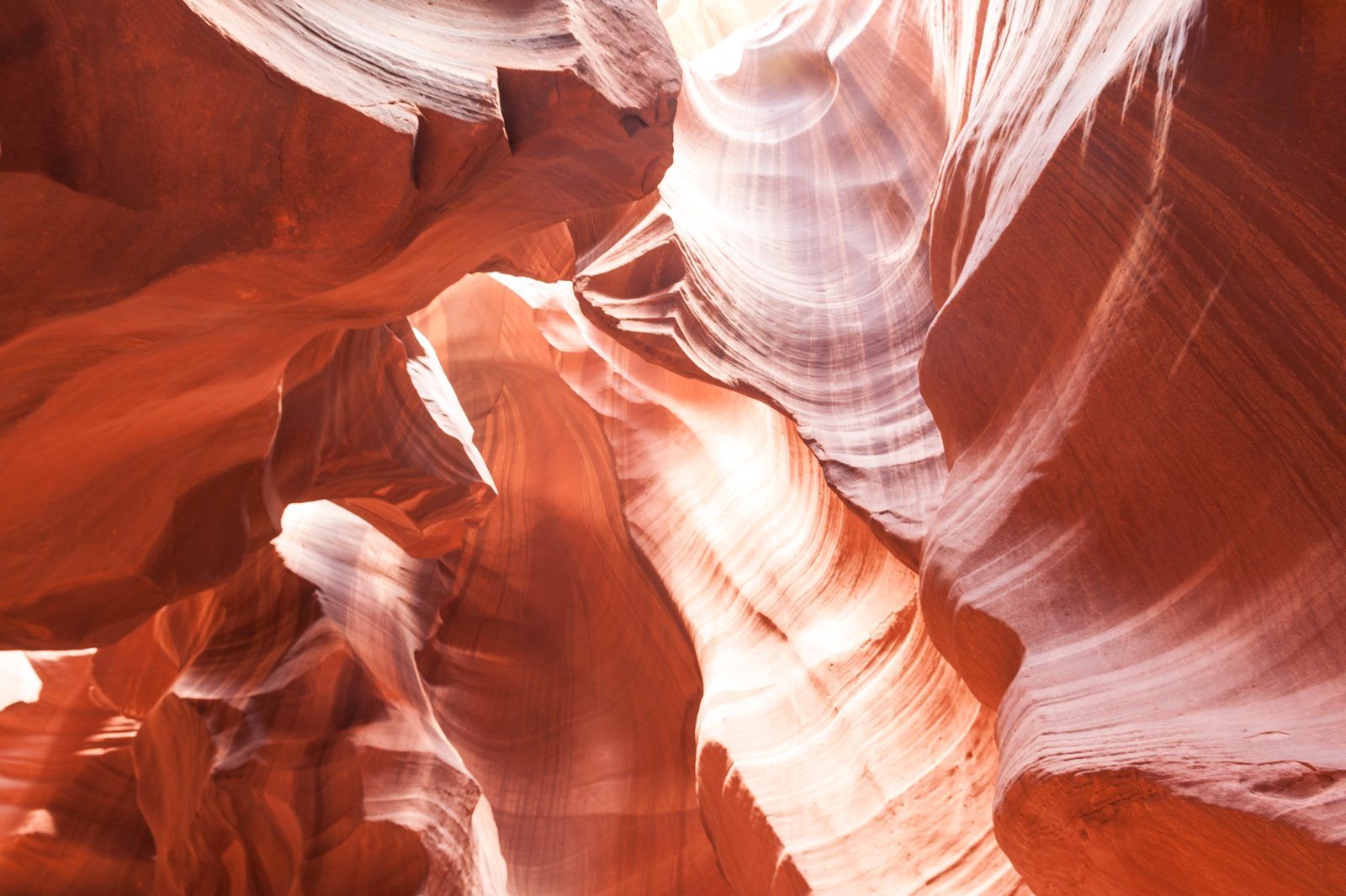
The light of this Moon: the ray, the shadow and the rainbow. In open air light goes straight, which is why a shadow has an edge and why a stick and its shadow can measure the Earth, as Eratosthenes did. When a ray meets water or glass it bends, and each colour bends by its own amount. White light divided is the rainbow. Nothing is added; what was together is set side by side. This Moon, follow the line of the light and see what it does when it meets something.
The lamp put down. Each time you finish a task at a screen, look up and far: at the horizon, the sky, the farthest thing you can find, for three breaths.
Week 1 · Identify · Sunrise
"I see this. I name this." In the first light, look for the long shadows.
Without sight: stand in early Sun and turn slowly until you feel which way the light is coming.
- Find the longest shadow you can. What casts it?
- Push a stick upright into the ground. Mark the tip of its shadow with a stone.
- Return to the stick an hour later. The shadow has moved; the Earth has turned.
- Find a beam: light through a gap, through mist, through a doorway.
- Find a sharp-edged shadow and a soft-edged one. What makes the difference?
- Trace with your arm the line from where the Sun is to where your shadow falls.
- Breath gate. Which way has my life been pointing this week?
Week 2 · Accept · Noon
"I allow this to be true." At midday, look for colour and for bending.
Without sight: put your hand into a bowl of water in the Sun. Feel the two warmths, above and below.
- Put a straight stick or a spoon into a glass of water. It looks bent. It is not.
- Find a rainbow: in a sprinkler, a spray of water, the edge of a glass, an oil film.
- Name every colour you can find in one rainbow, and the order they come in.
- At noon the shadow of your stick is at its shortest. Mark it. It points north or south.
- Look at white: a cloud, a wall, a page. It is every colour, undivided.
- Look at something red. It is giving back the red and keeping the rest.
- Breath gate. What in me is white light, waiting for something to open it?
Week 3 · Embrace · Sunset
"I bring this into my field." In the last light, watch colour change.
Without sight: at sunset, feel how the warmth comes from low and to one side.
- Why is the low Sun's light gold? It has come the long way through the air.
- Watch the shadows of two things meet and become one.
- If there has been rain, look opposite the Sun for a bow.
- Find the shadow of the Earth: the blue-grey band rising in the east after sunset.
- Watch a cloud change colour. Count the colours it passes through.
- Stand so your shadow falls across something you love.
- Breath gate. What colour was today?
Week 4 · Let Go · Night
"I no longer hold this as mine." Under the night sky, look for lines.
Without sight: at night, turn toward the sounds that are farthest away.
- Find two stars and draw the line between them with your eye.
- A star's light has come in a straight line for years to end here.
- Find a star that twinkles and a bright one that does not. The steady one may be a planet.
- If there is a Moon, look for a ring or a faint colour around it.
- Hold a glass of water near a candle. Find where the light gathers behind it.
- Close your eyes and point to where the Sun is now, below the ground.
- Moon reflection. In this Moon I followed the line of the light. When my own path meets something and bends, what colours come apart that I had not known were in me?
Mirror
Osiris-Seker · "I descend to rise." · The heart
Praised be my Lord for our sister the moon, and for the stars, the which he has set clear and lovely in heaven.Francis of Assisi, "The Canticle of the Sun", about 1225, translated by Matthew Arnold
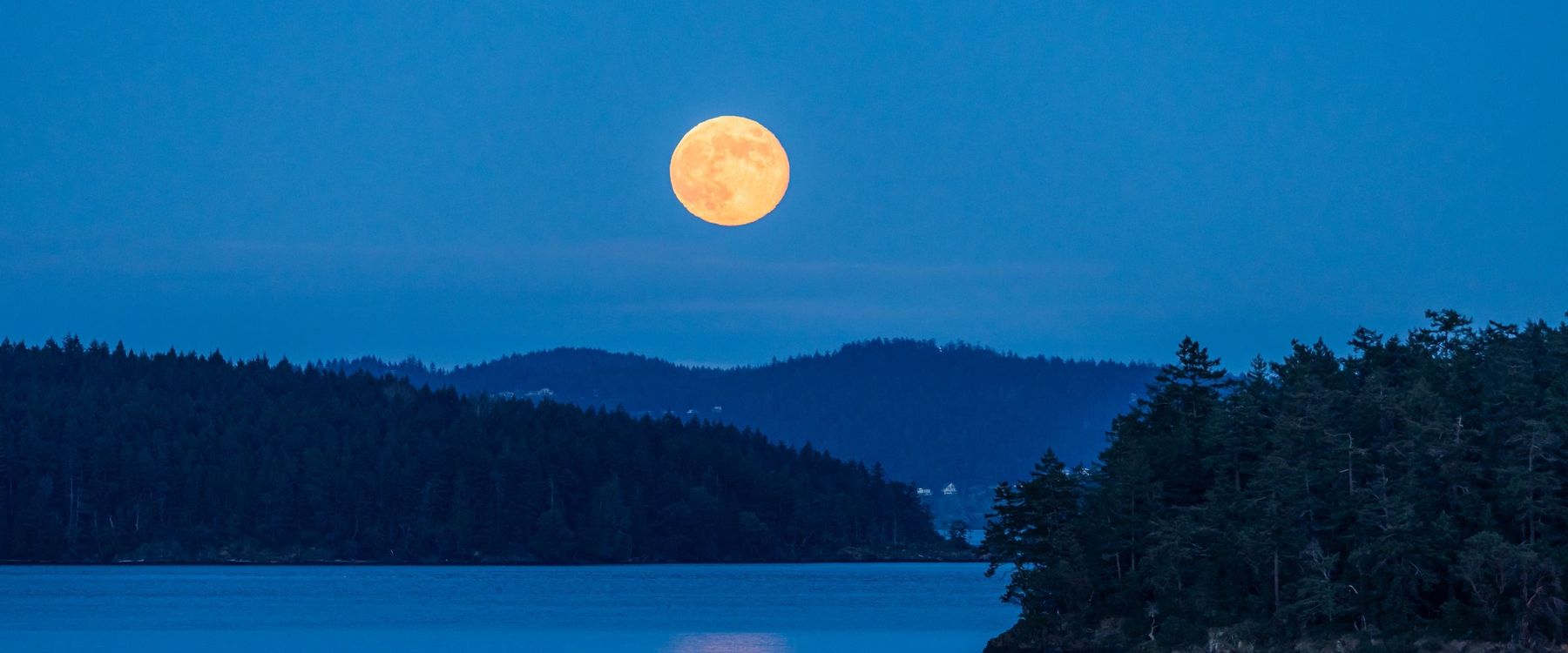
The light of this Moon: returned light. The Moon makes no light. Every beam of moonlight is sunlight sent back, and only about an eighth of what falls on the Moon returns. Even the dim glow on the Moon's dark part is light that has bounced from the Earth to the Moon and back to your eye. The leaf and the lung are mirrors of another kind: what one gives out, the other takes in. What is returned is used, not merely copied. This Moon, look for light that comes to you second-hand.
The lamp put down. For the last half-hour before sleep, no screen.
Week 1 · Identify · Sunrise
"I see this. I name this." At first light, find still water: a pond, a puddle, a bowl set outdoors.
Without sight: at dawn, touch still water with one fingertip and feel the ring move outward.
- Find the sky in still water. Which is brighter, the sky or its image?
- Touch the water. Watch the image break and mend.
- Find a window that is catching the sunrise and sending it somewhere.
- Find light on a ceiling or a wall that has come by way of water or glass.
- Is the Moon in the morning sky? Find it if it is.
- Look at a dewdrop. The whole sky is in it, upside down.
- Breath gate. What have I been reflecting this week that is not mine?
Week 2 · Accept · Noon
"I allow this to be true." At midday, look for what is lit without the Sun touching it.
Without sight: stand near a sunlit wall and feel the warmth it returns.
- Stand in full shade. You can still see. All of this light is returned light.
- Find a wall that is lighting another wall.
- Look at the underside of a leaf or a roof. What lights it?
- Hold a white page near a shaded face or flower. Watch it brighten.
- Find your reflection in something that is not a mirror.
- The blue of the sky is sunlight turned aside by the air. Let that be true.
- Breath gate. Whose light am I living by? Have I thanked them?
Week 3 · Embrace · Sunset
"I bring this into my field." At last light, look for the Moon and for glow.
Without sight: at dusk, hold a stone that has been in the Sun. It is returning the day.
- Find the Moon. What shape is it tonight? Which side is lit?
- The lit side of the Moon points to where the Sun is. Follow it.
- If the Moon is a thin crescent, look for the faint glow on its dark part. That is earthlight.
- Watch clouds stay bright after the ground has gone dark.
- Find the last window to hold the sunset.
- Look at a face you love in the evening light.
- Breath gate. What did I receive today and pass on, changed?
Week 4 · Let Go · Night
"I no longer hold this as mine." Go out under the Moon, or under the stars if there is none.
Without sight: stand in the open at night and feel whether the air is still or moving.
- Stand in moonlight. This light left the Sun, touched the Moon, and ended here.
- Find your moon-shadow. Is its edge sharp or soft?
- Look at colours by moonlight. Which have gone? Which remain?
- Find the Moon in water, or in a window.
- On a moonless night, find how much you can see by starlight alone.
- Set a candle before a mirror. Look at the image, not the flame. Put the candle out.
- Moon reflection. In this Moon I looked for returned light. What have I been given that I could give back as something useful, and not only as an echo?
Stillness
Anubis-Wepwawet · "I guard the way." · The upper solar plexus
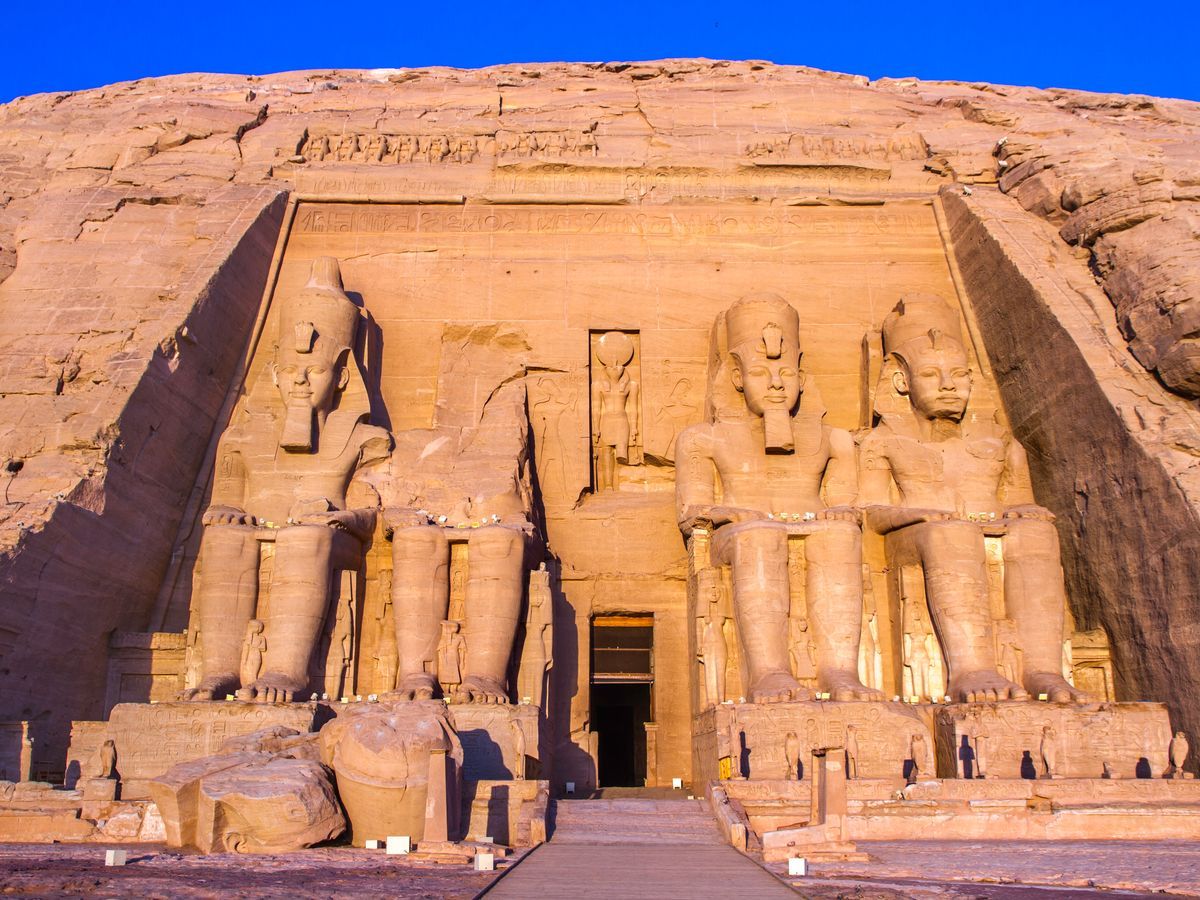
The thirty spokes unite in the one nave; but it is on the empty space (for the axle), that the use of the wheel depends.Laozi, Tao Te Ching, chapter 11, translated by James Legge, 1891
The light of this Moon: the constant. Light is never at rest, and yet it is the stillest thing in physics: its speed in empty space is the same for everyone, always. At Abu Simbel a beam reaches the inner room on two mornings a year and has done so for three thousand years, even since the temple was moved in the 1960s. A tree stands still, and is made of moving air. And at the centre of every eye is the pupil, which is a hole. Seeing begins with a centre kept empty. This Moon, practise being the still thing that light passes through.
The lamp put down. One still sitting each day, five minutes, in daylight, with every device in another room.
Week 1 · Identify · Sunrise
"I see this. I name this." Choose one seat for the whole Moon, facing away from the sunrise. Come to it each dawn.
Without sight: sit in the same place each morning and learn its dawn sounds in their order.
- Sit. Choose one distant point and rest your eyes on it until the light changes.
- Same seat. What is different from yesterday?
- Let your eyes rest half open. Let the light come to you.
- Find one thing that does not move. Watch the light move over it.
- Count thirteen easy breaths without looking for anything.
- At the centre of each eye is an opening with nothing in it. Everything you see has come through.
- Breath gate. What stayed the same all week?
Week 2 · Accept · Noon
"I allow this to be true." At midday, sit in shade and be still for five minutes.
Without sight: sit in noon shade. Feel the stillness of the hottest hour.
- At noon the shadows are short and still. Sit among them.
- Look at still water, or a still leaf, until it moves.
- A tree near you has not moved all day. It has been working the whole time.
- Do nothing for the space of twenty breaths. The light arrives anyway.
- Find the stillest place you can see. Rest your eyes there.
- The light on your hand travelled at one unchanging speed. Let that be true.
- Breath gate. Where am I moving in order to avoid being still?
Week 3 · Embrace · Sunset
"I bring this into my field." Sit in your seat through the whole of dusk, once this week if not every day.
Without sight: sit through dusk and notice the moment the day sounds stop.
- Sit from the last Sun until the first star. Do not get up.
- Watch one thing lose its colour slowly.
- Find the still point in the west where the Sun went down. Mark it against the land.
- Come back tomorrow: has that point moved along the horizon?
- Let your eyes go wide and soft. Take in the whole sky at once.
- Notice when you want to reach for a light. Wait three more breaths.
- Breath gate. What became clear only because I stayed?
Week 4 · Let Go · Night
"I no longer hold this as mine." At night, find the still point of the sky.
Without sight: lie down outdoors, or by an open window, and let the night be as large as it is.
- In the north, find the star the others turn around. In the south, find the dark place they circle.
- Watch one star near the horizon for ten minutes. It moves. You are the one turning.
- Lie on your back if you can and look straight up.
- Sit with one candle in a still room. Watch the flame when the air is quiet.
- Breathe gently toward the flame from a distance. Then let it settle.
- Put the candle out. Sit in the dark for thirteen breaths.
- Moon reflection. In this Moon I kept still and let light come. What is at my centre, and is there room there for anything to pass through?
Memory
Horus-Heru · "I see with sovereignty." · The solar plexus
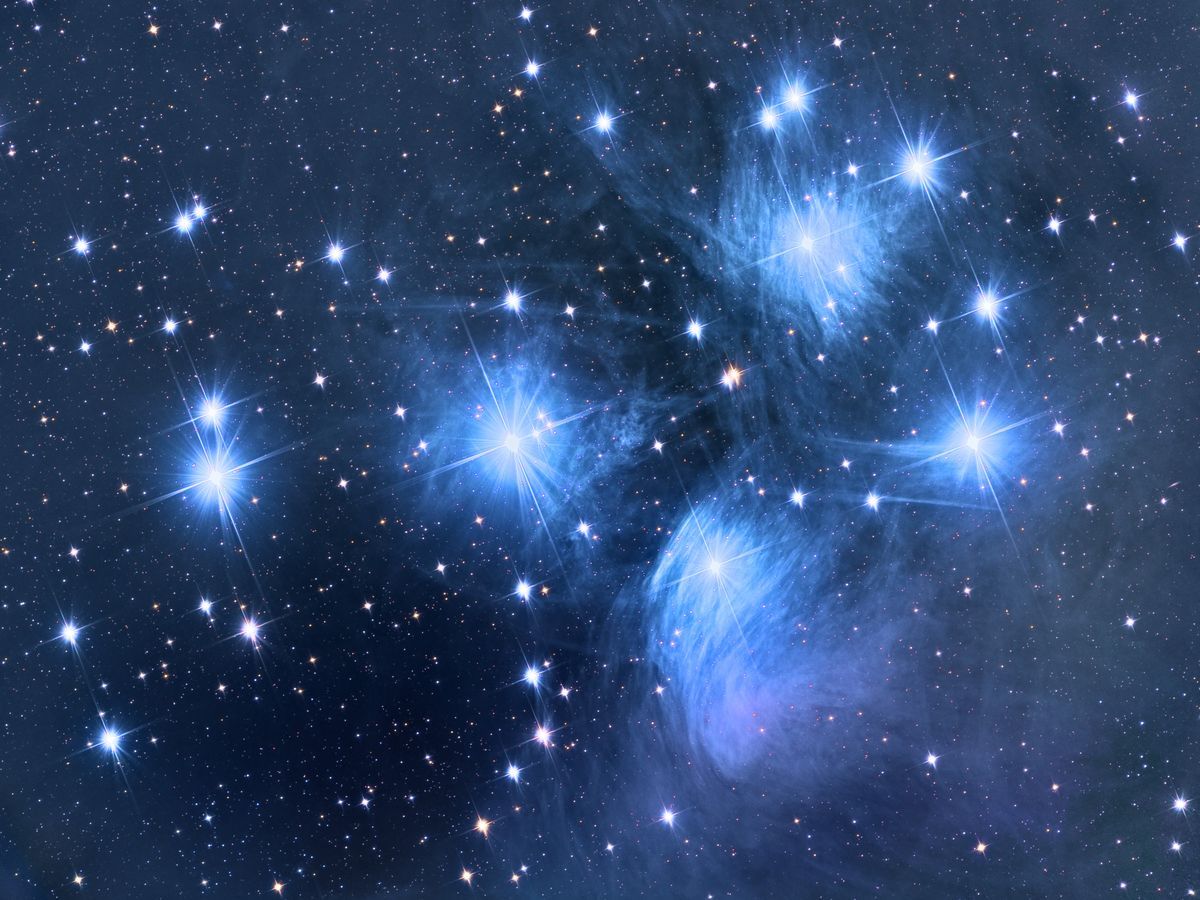
The heavens declare the glory of God; and the firmament sheweth his handywork. Day unto day uttereth speech, and night unto night sheweth knowledge.Psalm 19:1-2, King James Version
The light of this Moon: old light. All light is news from the past. Sunlight is eight minutes old. The light of the stars left them years, centuries or ages ago, and it still carries, written across its colours, the mark of what each star is made of. Light is kept in another way too: in sugar, in wood, in coal and oil, which are sunlight stored. Every fire is old sunlight let go. This Moon, receive light as a record.
The lamp put down. After sunset, turn your screens to their dimmest and warmest setting, or put them away.
Week 1 · Identify · Sunrise
"I see this. I name this." At first light, look at what the night has kept.
Without sight: touch the ground at dawn. It remembers the night's cold.
- Find a star still showing at dawn. Its light is older than this morning by years.
- Find dew, frost or a cool stone. The night is still written on it.
- Look at an old wall, an old tree, an old face in the early light.
- The light on your hand is eight minutes old. Receive it.
- Find something the Sun has faded: cloth, paint, wood. Light keeps a record there.
- Look at your own skin. It keeps a record of the Sun too.
- Breath gate. What old light am I still seeing by?
Week 2 · Accept · Noon
"I allow this to be true." At midday, eat something slowly, outdoors.
Without sight: hold a piece of fruit warm from the Sun. Smell it before you eat.
- Eat one piece of fruit or bread in daylight. It is this year's sunlight.
- Look at a piece of wood. It is the light of every summer that tree lived.
- Find a tree stump or a cut branch. Count the rings if you can.
- Everything you will do today is paid for with stored sunlight. Let that be true.
- Find something very old that is still being lit: a hill, a stone, a river.
- Look at a shadow. It is the record of something standing in the way.
- Breath gate. What am I burning, and how long did it take to store?
Week 3 · Embrace · Sunset
"I bring this into my field." At last light, look back over the day.
Without sight: at dusk, recall the warmest moment of the day and where you were.
- As the Sun goes, name three lights you received today.
- Find something that glows after the Sun has left it: a cloud, a pale wall, the sea.
- Look at a photograph on paper, by the evening light. Light made it, once.
- Watch the first star appear. It was there all day.
- Think of someone who is gone. You carry light that reached them too.
- Sit by a fire or a single flame, if you safely can. It is old sunlight.
- Breath gate. What did I store today that will be of use later?
Week 4 · Let Go · Night
"I no longer hold this as mine." Under the stars, think about time.
Without sight: by a fire or a warm stove, feel old sunlight on your hands.
- Find the brightest star you can see. Wonder how old its light is.
- Find the faintest star you can hold. Its light may be older still.
- If the sky is dark enough, find the Milky Way. That is light from thousands of years ago.
- Some stars you see may have changed greatly since this light left them. You are seeing their past.
- Light a candle. The wax is stored light. Watch it being released.
- Put it out. Notice the after-image when you close your eyes: your own eye's memory.
- Moon reflection. In this Moon I received light as a record. What in me is old light still arriving, and what would I like to be sending now?
Return
Set-Sutekh · "I transform through fire." · The navel
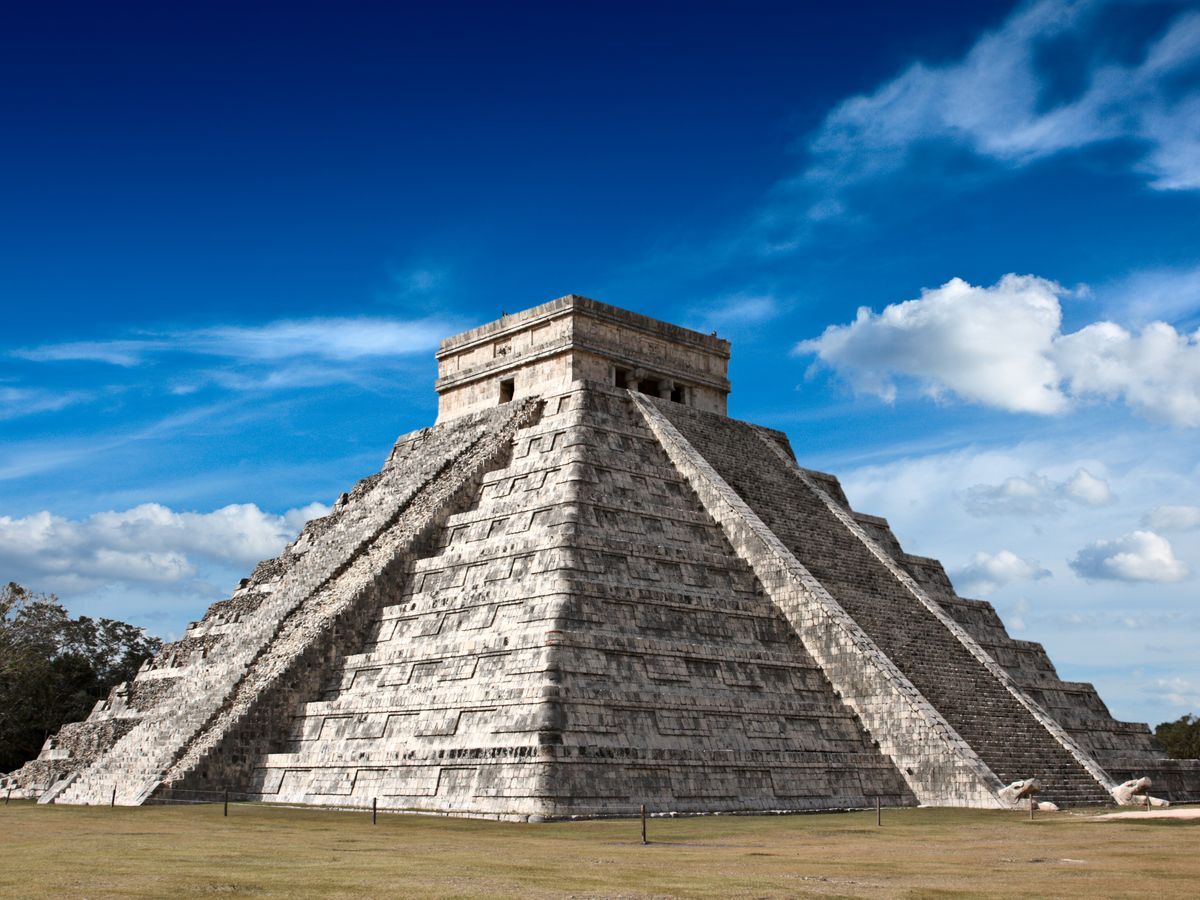
The sun is new every day.Heraclitus, about 500 BC, translated by John Burnet
The light of this Moon: the wave and the meeting. Light is a wave, and when two waves meet they make a pattern that neither holds alone: bright where crest meets crest, dark where crest meets trough. The colours of a soap bubble and of oil on water are made this way. A coral reef is made this way too, in its own manner: an animal that cannot use light and an alga that cannot build, each staying itself, raise a city of stone between them. Two that stay whole make a third. This Moon, look for what light makes where two things meet.
The lamp put down. One walk each week with no device, or with it switched off in your pocket.
Week 1 · Identify · Sunrise
"I see this. I name this." At first light, go to water if you can, or fill a wide bowl outdoors.
Without sight: drop two small stones into still water and listen for the two sounds meeting.
- Drop one pebble into still water. Watch the rings.
- Drop two pebbles a hand apart. Watch where the rings cross.
- Find light dancing on the bottom of shallow water, or on a wall beside it.
- Find the place where two shadows overlap. Is it darker than either?
- Look at the edge of a shadow closely. It is not a clean line.
- Find a spider's web in early light. Look for colour in it.
- Breath gate. What two things met this week, in me or around me?
Week 2 · Accept · Noon
"I allow this to be true." At midday, look for colour that is not paint.
Without sight: stand where two sounds meet, a stream and wind, and hear the third thing.
- Blow a soap bubble, or find oil on a wet road. Its colours come from two reflections meeting.
- Find a feather, a shell or a beetle whose colour changes as you turn it.
- Find the place where sunlight and shade mix under a tree.
- Look at where water meets air. Three things are there: the sky turned back, the bottom seen bent, and the bright line itself.
- There is no rainbow in the air and none in the water. It lives where they meet. Let that be true.
- Look at where your own shadow meets another's.
- Breath gate. With whom do I make something that neither of us makes alone?
Week 3 · Embrace · Sunset
"I bring this into my field." At last light, look for meetings: day and night, land and sky.
Without sight: at dusk, stand at a threshold, a doorway or a gate, and feel the two airs.
- Find the line where land meets sky. Watch it sharpen as the light goes.
- Watch day and night share the sky. Which half are you facing?
- Find the first lit window against the last of the daylight.
- Stand in a doorway at dusk, one light before you and another behind.
- Watch waves, on water or in grass, in the low light.
- Stand beside someone and watch the same sunset. Say nothing.
- Breath gate. What edge did I keep today, and what grew there?
Week 4 · Let Go · Night
"I no longer hold this as mine." At night, look for what returns.
Without sight: listen for a sound that comes back: an echo, a wave, an owl answered.
- Find a star you found last Moon. It has returned, a little earlier.
- The Moon is nearly back where it was a Moon ago, a day or two short of the same shape. Find it.
- Watch moonlight or starlight on moving water.
- Light two candles a hand apart. Look at the double shadow of your hand.
- Bring the candles together. Watch two shadows become one. Put them out.
- Tomorrow the Sun is new. Let this day go.
- Moon reflection. In this Moon I looked for what is made at a meeting. Where am I trying to do alone what is only ever done by two?
Release
Hathor-Sekhmet · "I nurture with joy." · The sacral centre
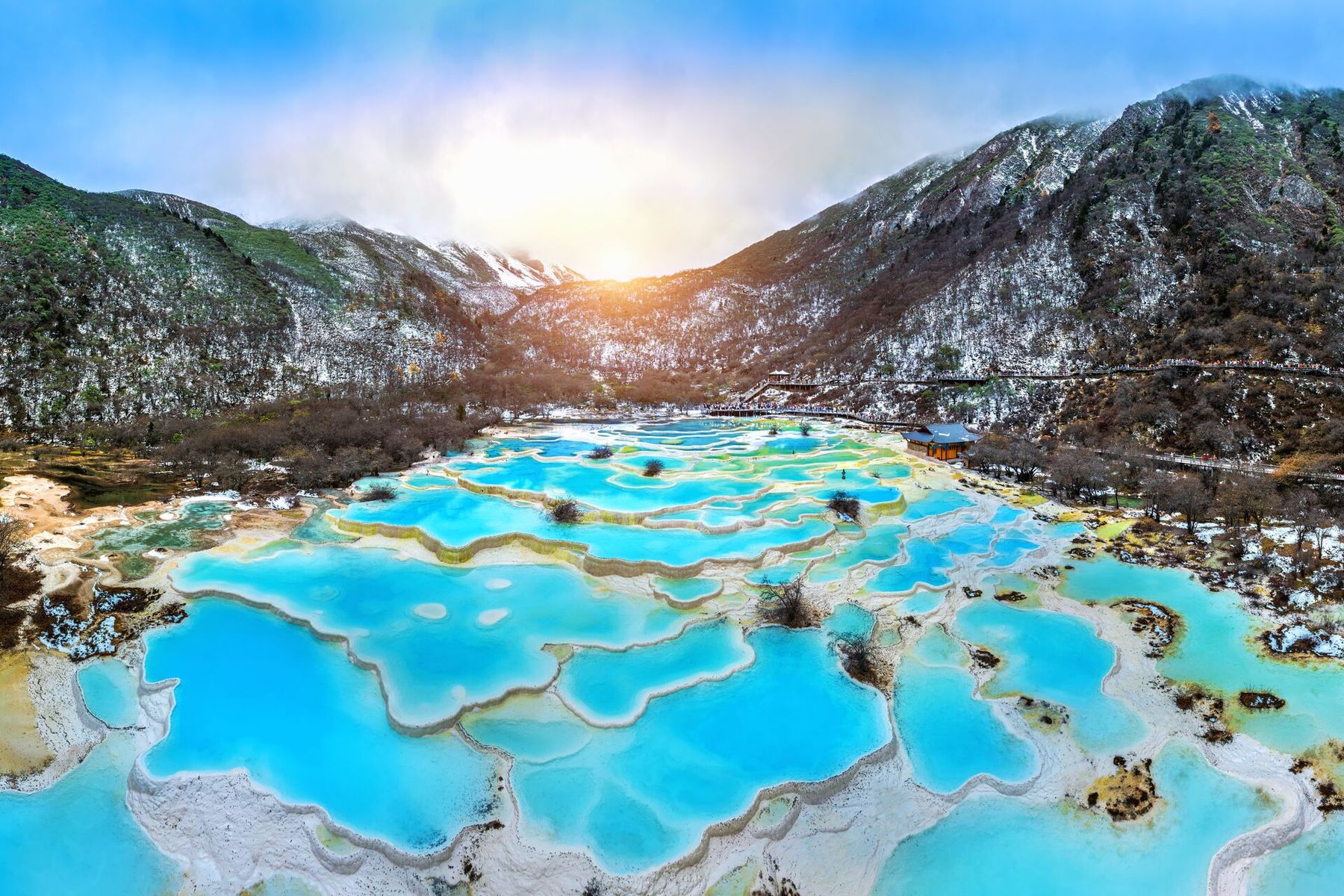
Light, my light, the world-filling light, the eye-kissing light, heart-sweetening light!Rabindranath Tagore, Gitanjali, 57, 1912
The light of this Moon: light given off. Living things do not only receive light. Fireflies, glow-worms and a great many creatures of the sea make their own, and every one of them needs oxygen to do it. The loop is plain: green cells use light to free oxygen; breathing bodies take the oxygen in and give back what the green cells need. Nearly every breath is borrowed light. And each thing that is warm, including you, gives off a glow too faint and too red for any eye. This Moon, notice what gives light, and what you give.
The lamp put down. One evening each week by candle, firelight or one low lamp, with screens off from sunset.
Week 1 · Identify · Sunrise
"I see this. I name this." At first light, breathe outdoors and know what you are breathing.
Without sight: breathe the dawn air near plants. Notice its coolness and its scent.
- Take one slow breath at dawn. This oxygen was set free by light.
- Breathe out toward something green. You are giving it what it builds with.
- Find the first flower to open this morning.
- Find something that seems to give light: a white flower, a pale stone, mist.
- Watch your breath, if the morning is cold enough to show it.
- Smile at the first person you meet in daylight.
- Breath gate. What did I give this week without counting it?
Week 2 · Accept · Noon
"I allow this to be true." At midday, be warmed.
Without sight: turn your face to the warmth with eyes closed, and keep them closed, for three breaths only, then to the shade.
- Stand in the Sun for the space of ten breaths, then step into shade. Never until the skin reddens.
- If the Sun stands high, in those ten breaths a ring opened in your skin, and your own warmth will finish the work tonight. In the low Sun of winter it does not.
- Find something that gives off warmth it took from the Sun.
- You are warm. You are giving off light no eye can see. Let that be true.
- Find a creature basking: a lizard, a cat, a bee on a stone.
- The green things around you are breathing out what you are breathing in.
- Breath gate. What am I holding that is meant to be given off?
Week 3 · Embrace · Sunset
"I bring this into my field." At last light, look for the things that begin to shine as the Sun stops.
Without sight: at dusk, listen for the creatures that begin when the light ends.
- As the light goes, find the first living thing that becomes active.
- If there are fireflies or glow-worms where you live, go and find them. If not, find the first moth.
- Watch pale flowers stay visible after the dark ones have gone.
- Find the eyes of an animal shining back a light.
- Watch the embers of a fire, or the last glow of the sky.
- Give the evening to someone: a walk, a meal, an hour.
- Breath gate. Who shone for me today?
Week 4 · Let Go · Night
"I no longer hold this as mine." At night, sit with a flame and with the dark.
Without sight: sit by a candle and feel its small warmth from a safe distance.
- Light one candle. It needs the same air you do.
- Watch how far one small flame throws its light.
- If you live near the sea, look for the glow in a breaking wave on a dark night.
- Stand outside. Somewhere near you, something is glowing that you cannot see.
- Carry a small lamp, or a candle in a holder, to someone, or light one for someone.
- Put the candle out with thanks. Watch the smoke rise while it can be seen.
- Moon reflection. In this Moon I noticed what gives off light. What do I give off, without trying, to those who are near me?
Echo
Ma'at-Djehuty · "I stand in balance." · The root
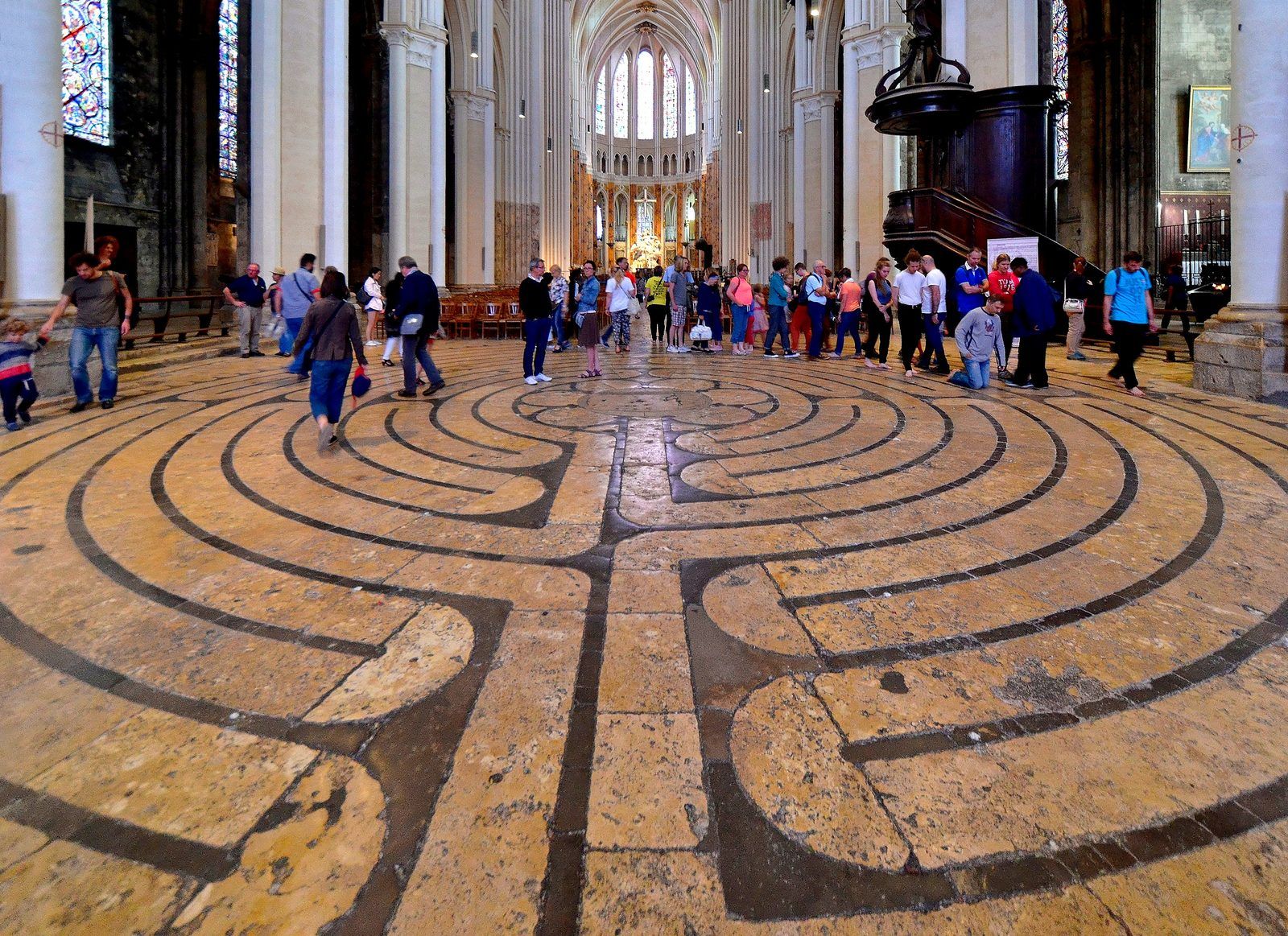
The light of the body is the eye: if therefore thine eye be single, thy whole body shall be full of light.Matthew 6:22, King James Version
The light of this Moon: gathered light. Two circles that overlap share an almond shape, and that shape is a lens. A lens gathers scattered light to a point; the eye has one, and so does a drop of dew. A pinhole makes an image with no glass at all, by letting in one ray from each point. And we have two eyes, held a little apart: each sees a flat picture, and from the difference between them comes depth, which is in neither. The molecule that catches light in your eye is the same one that sea microbes feed with. To see and to feed are one act. This Moon, attend to the eye itself.
The lamp put down. No screens in the room where you sleep.
Week 1 · Identify · Sunrise
"I see this. I name this." At first light, look through small things.
Without sight: at dawn, cup your hands around your ears and turn. Notice how gathering changes what arrives.
- Find a dewdrop on a leaf. Look at what lies under it, made larger.
- Make a small hole with your curled finger and look through it at something far.
- Close one eye, then the other. Watch a near thing jump against a far thing.
- With both eyes open, see how far the near thing stands from the far. That depth is the third.
- Look at a window, then through it. Your eye changes its shape to do each.
- Notice the edge of your sight, where things are seen but not looked at.
- Breath gate. What have I been looking at, and what have I been looking through?
Week 2 · Accept · Noon
"I allow this to be true." At midday, make an image without a lens.
Without sight: at noon, hold your palm flat to the Sun, then edge-on. Feel the difference a turn makes.
- Prick a pin-hole in a card. Let sunlight through it onto paper in shade. That disc is an image of the Sun.
- Lace your fingers and let the Sun through the gaps onto the ground. More small Suns.
- Step from bright light into shade. Notice how long your eyes take to open.
- Look near, then far, then near. Feel the small work of it.
- You see one narrow band of all the light there is. Let that be true.
- Look at the colour you find hardest to name.
- Breath gate. What am I sure I see that I have never looked at closely?
Week 3 · Embrace · Sunset
"I bring this into my field." As the light fails, watch your own seeing change.
Without sight: at dusk, notice which sense comes forward as the day closes.
- As dusk deepens, notice colours leave in order. Which goes first? Which stays?
- In dim light, look slightly to one side of a faint thing. It grows clearer.
- Look at someone's eyes in evening light. The dark centre has opened.
- Watch a window from outside become a picture of the room within.
- Hold a glass of water up to the last light. Find the world in it, upside down.
- What have your eyes fed on today?
- Breath gate. What did I take in by looking, and has it nourished me?
Week 4 · Let Go · Night
"I no longer hold this as mine." In the dark, give your eyes time.
Without sight: in a dark room, find your way slowly by touch and sound alone, somewhere safe.
- Sit in the dark for twenty minutes without any light. Notice your sight return in stages.
- Find a faint star by looking just beside it.
- Cup your hands around your eyes to shut out a nearby lamp. More stars.
- Look at the Moon with one eye, then both.
- Light a candle. Notice how much of the night it takes from you. Put it out.
- Close your eyes. Notice the light that is there with no light entering.
- Moon reflection. In this Moon I attended to the eye. If what I take in by looking feeds me as food does, what have I been feeding on?
Shadow
Nephthys-Nebet-Hut · "I walk with loyal companionship." · The earth-star
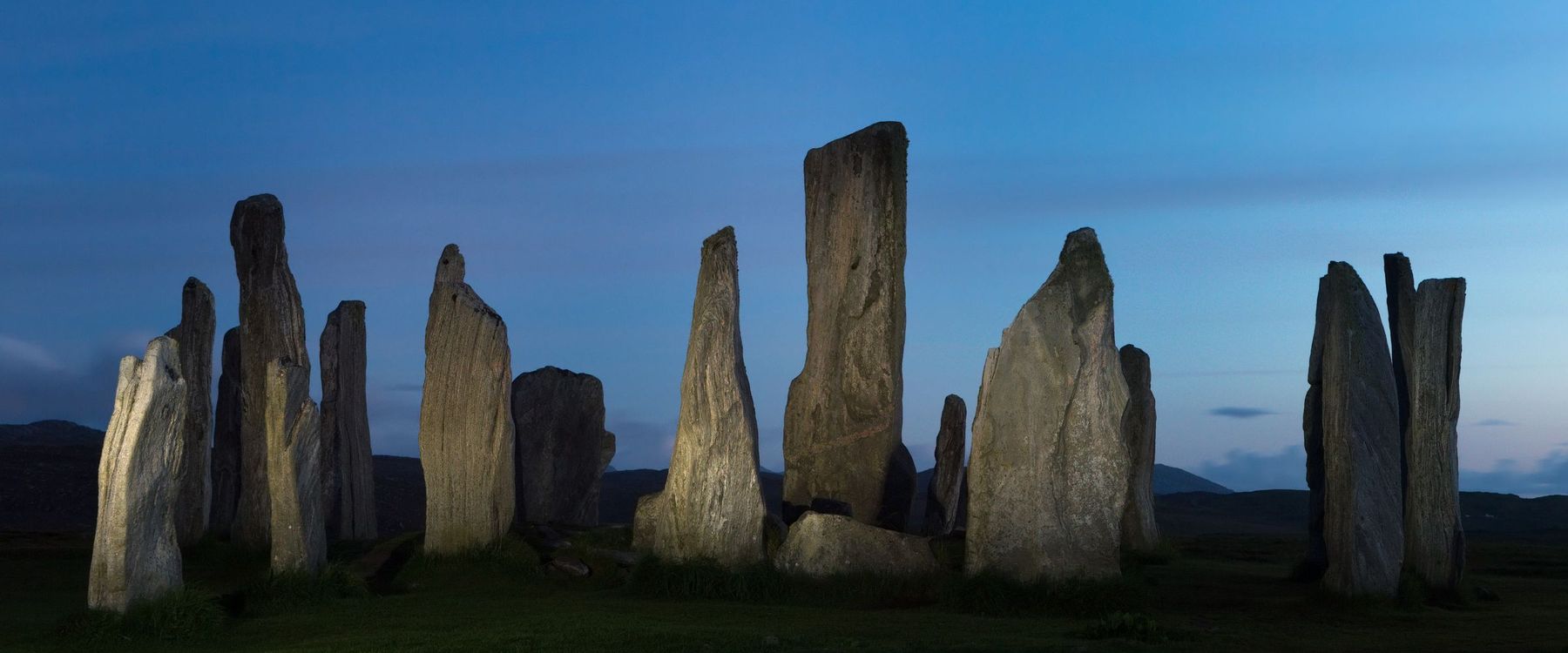
Darkness there was: at first concealed in darkness this All was indiscriminated chaos.Rig Veda 10.129, translated by Ralph T. H. Griffith, 1896
The light of this Moon: the dark. Most of what exists gives no light we can see. Most light is outside the one octave of the eye. Some life, at the vents of the deep sea, is not fed by light at all. The Inca read their sky not only by its stars but by the dark shapes within the Milky Way: a llama, a serpent, a toad. And the centre of the Codex is dark and still. Dark is not lesser. It is where the eye rests, and where the faintest lights can be received. This Moon, the practice is the dark itself.
The lamp put down. One hour of real darkness each week, outdoors under the night sky if you can. Turn off any outside light you do not need.
Week 1 · Identify · Sunrise
"I see this. I name this." Rise before first light this week, and meet the end of the night.
Without sight: be up before dawn and notice the quiet just before the first bird.
- Go out while it is still dark. Find the darkest place within reach.
- Name what you can see with no light but the sky's.
- Watch the stars go out one by one. Which is last?
- Find where night lingers after sunrise: under a hedge, in a north corner.
- Find your shadow the moment it first appears.
- Stand in your own shadow's place: face the way it points, with the light behind you.
- Breath gate. What did the dark show me that the day does not?
Week 2 · Accept · Noon
"I allow this to be true." At midday, look for the dark that noon makes.
Without sight: at noon, find the coolest place nearby and rest there.
- Find the deepest shadow you can at noon.
- Step into it. Notice how much is visible there.
- Look into a well, a hollow tree, a culvert, a cave mouth. Do not go in.
- A shadow is not a thing. It is where something stood in the way.
- Most of what is real gives off nothing you can see. Let that be true.
- Find an animal or an insect that keeps to the shade.
- Breath gate. What in me have I kept out of the light, and is it time?
Week 3 · Embrace · Sunset
"I bring this into my field." At last light, welcome the dark as it comes.
Without sight: at nightfall, notice the first chill and where on the body it is felt.
- Watch shadows join until there is one.
- Find the Earth's shadow rising in the east. You are standing in it.
- Leave the lamps off as the room darkens. Stay as long as is safe.
- Go out and count the lights that are on for no one.
- Name one thing you can do better in the dark than in the light.
- Sit with someone in the dusk without a lamp. Talk, or do not.
- Breath gate. What am I afraid of in the dark, and is it there?
Week 4 · Let Go · Night
"I no longer hold this as mine." Go to the darkest sky you can safely reach.
Without sight: sit in the open at night with your hands on the ground.
- Find the darkest sky you can reach this week. Go there once.
- Find the Milky Way if you can. Then look for the dark lanes within it.
- Look at the space between two stars. It is full of light you cannot see.
- Find the darkest part of the Moon, or the dark of the sky where the Moon is not.
- Sit in a dark room with no flame at all, for thirteen breaths.
- Lie down in the dark. Let your eyes close when they wish.
- Moon reflection. In this Moon I practised the dark. What have I been lighting that should be left dark, and what have I left dark that is asking for a little light?
Descent
Sobek-Sahu · "I guard the waters of life." · The feet and legs
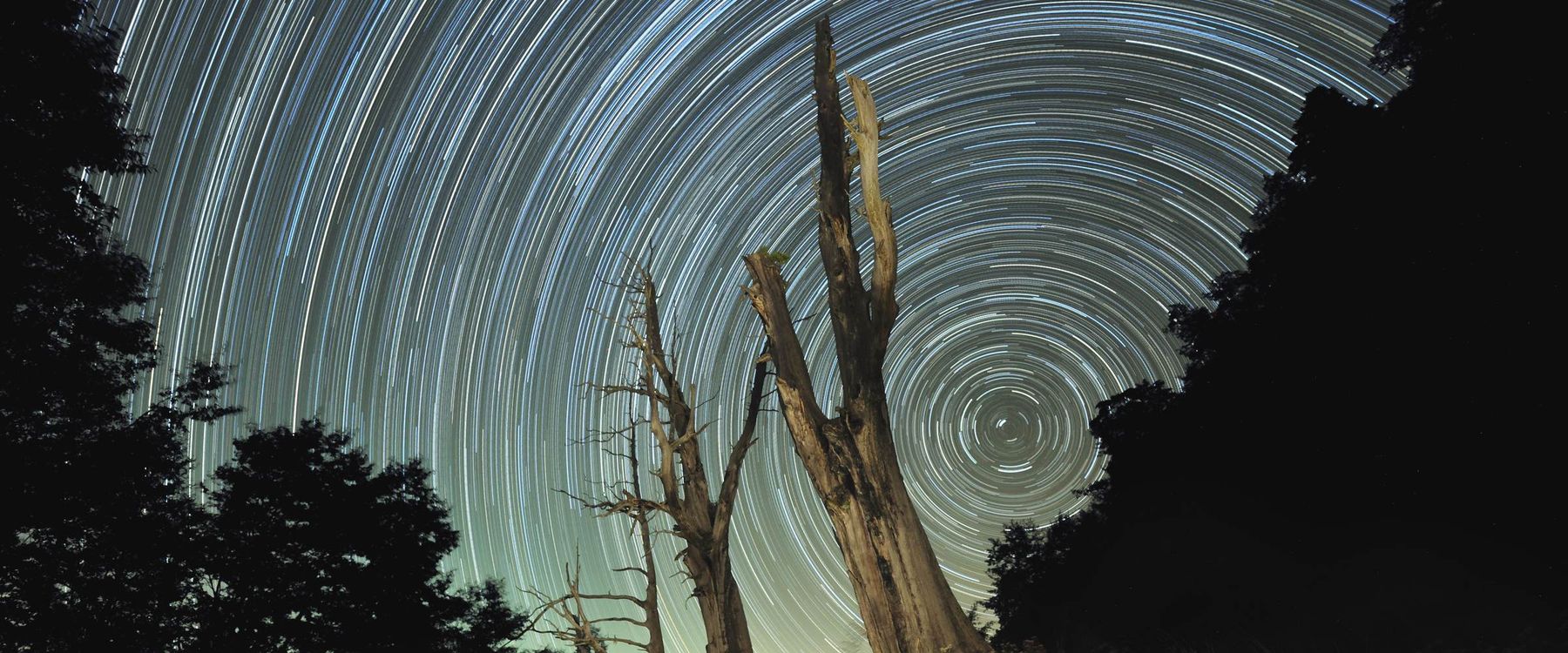
Now that light which shines above this heaven, higher than all, higher than everything, in the highest world, beyond which there are no other worlds, that is the same light which is within man.Chandogya Upanishad 3.13.7, translated by F. Max Müller, 1879
The light of this Moon: starlight, and the light that became us. The Sun is a star. It turns four million tonnes of itself into light each second, and has done so for more than four billion years. Every atom in your body heavier than helium was made in an older star. Ninety-nine parts in a hundred of your weight is energy held in place. We are not light. But we are built by light, run on light, and weigh what held energy weighs. This Moon falls in the deep of the northern winter. Go out and stand under the stars, on the ground.
The lamp put down. Ten minutes outdoors in morning daylight each day, before any screen.
Week 1 · Identify · Sunrise
"I see this. I name this." At first light, feel your feet on the ground.
Without sight: stand barefoot, or in thin shoes, on ground the early Sun has touched.
- Stand outdoors at sunrise with your weight even on both feet.
- The star nearest to you is rising. Turn your back to it and watch what it lights.
- Feel the first warmth arrive on your shoulders.
- Pick up a handful of soil or a stone. It was made in stars.
- Walk twenty slow steps in the early light. Feel each one land.
- Look at your hand in sunlight. It is made of what the light gathered.
- Breath gate. What holds me up?
Week 2 · Accept · Noon
"I allow this to be true." At midday, receive the Sun as a star.
Without sight: at noon, feel the difference between Sun on dark cloth and Sun on pale cloth.
- Find your shortest shadow of the day. That is how high your star stands.
- Stand in the Sun for ten breaths, then go to shade. Never until the skin reddens.
- The warmth on your skin left a star eight minutes ago.
- Lift something heavy. Nearly all of its weight is energy held still.
- I am built by light, and I run on light. Let that be true.
- Put a dark stone and a pale stone in the Sun. Come back and touch both.
- Breath gate. What am I, when I stop doing?
Week 3 · Embrace · Sunset
"I bring this into my field." At last light, watch one star set and the others arrive.
Without sight: at sunset, face the last warmth, then turn until it is at your back.
- Watch the land take the Sun. Do not look at the Sun itself.
- Find the first star of the evening. It may be a planet.
- Find a second, and a third. Notice how suddenly there are many.
- Do any of them have colour? Look for a red one and a blue-white one.
- Stand still while the sky fills.
- Say the names of the stars or star-shapes you know. Learn one new one.
- Breath gate. What came down into me today and stayed?
Week 4 · Let Go · Night
"I no longer hold this as mine." Under the winter stars, or the stars of your own season.
Without sight: lie on the ground at night, well wrapped, and feel it carry your whole weight.
- Find the brightest star of the night. Watch it for a full minute.
- Find a star-shape your grandparents would have known.
- Find a star that is red. It is cooler, and often near the end of its life.
- Lie on the ground, well wrapped, and look up. You are on the outside of a planet.
- Hold a warm cup in both hands under the stars. The warmth is sunlight, stored.
- One candle, one star. Look from one to the other. Put the candle out.
- Moon reflection. In this Moon I stood under the stars as something they made. If I am what light has gathered for a while, what am I for?
Dream
A'tharion-Keshariel, the Architect+ · "I am the stillness that holds all." · The heart of the heart
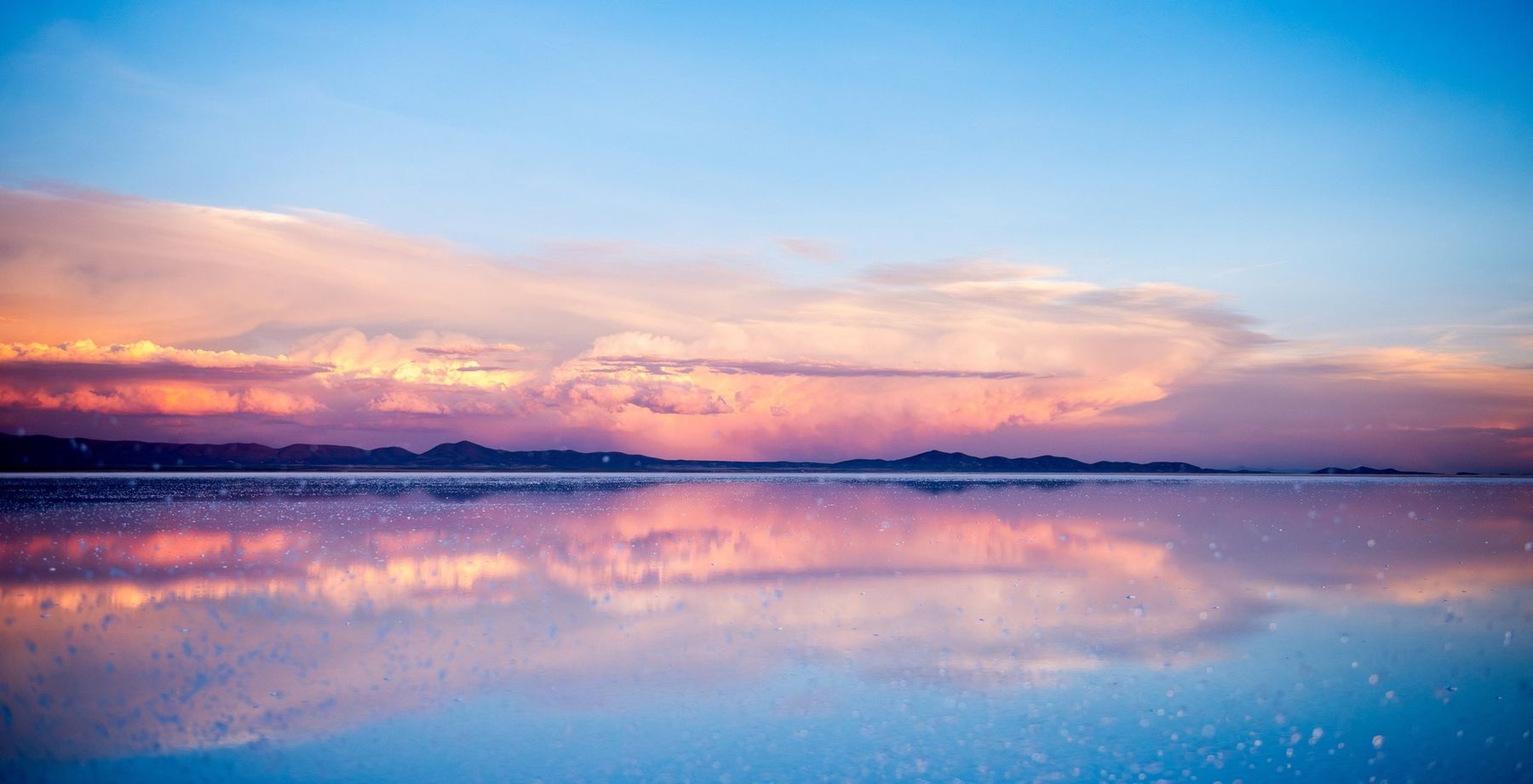
Only that day dawns to which we are awake. There is more day to dawn. The sun is but a morning star.Henry David Thoreau, Walden, 1854
The light of this Moon: the body's own clock, and the light within. Light sets the body's daily clock. Morning light sets it earlier; bright light late at night sets it later. The pupil of the eye opens and closes with the breath. And in dreams we see a lit world with our eyes closed and no light entering at all. This is the Moon in which the practices about screens matter most, and the Moon to be gentlest with them. The aim is not to refuse the lamp. It is to let the day be day and the night be night.
The lamp put down. For the last hour before sleep, no screen.
Week 1 · Identify · Sunrise
"I see this. I name this." At first light, let the morning set your clock.
Without sight: be outdoors within an hour of waking, every day this week, and feel the morning on your face.
- Be in daylight within an hour of waking. Stay ten minutes.
- What did you dream? Tell it to the morning, or write one line.
- Notice the moment in the morning when you feel fully awake. What was the light doing?
- Breathe easily and watch something far. Your pupils are moving with your breath.
- Close your eyes in daylight. What colour is there?
- Open them slowly. Let the world come back in its own time.
- Breath gate. To what am I awake, this week?
Week 2 · Accept · Noon
"I allow this to be true." At midday, look far.
Without sight: at noon, rest outdoors for ten breaths with nothing to do.
- At midday, go outdoors and look at the farthest thing you can find, for a full minute.
- Count how many hours today your eyes have rested on something farther than your arm.
- Find the horizon, or the highest cloud.
- Close your eyes in the shade for ten breaths. Rest them.
- My body keeps time by this light. Let that be true.
- Daydream outdoors for five minutes. Follow nothing.
- Breath gate. What would my days look like if they were built around the light?
Week 3 · Embrace · Sunset
"I bring this into my field." At last light, begin the night on purpose.
Without sight: at dusk, slow your breath and your pace together.
- Watch the sunset light on the land. Tell your body: the day is ending.
- As it darkens, lower the lights in your home in steps.
- Do one evening task by the least light that is safe.
- Sit in the dusk and let your thoughts loosen.
- Notice the first yawn of the evening. Let it come.
- Before sleep, recall one thing you saw today that no one made.
- Breath gate. What do I want to carry into sleep?
Week 4 · Let Go · Night
"I no longer hold this as mine." Keep the night dark, and meet what the dark shows.
Without sight: lie in the dark and follow your breath until you no longer follow it.
- Make your sleeping room as dark as you safely can.
- Before sleep, stand at a window or a door and look at the night for one minute.
- Sit by one candle before bed. Let it be the last light you look at.
- With eyes closed, watch the drifting colours behind your eyelids.
- If you wake in the night, do not reach for a light. Look at the dark.
- On waking, lie still for three breaths and keep hold of the dream.
- Moon reflection. In this Moon I let the day be day and the night be night. What have I been dreaming of, awake, that I have not yet let dawn?
Wisdom
Shekhinah · Around the whole
For with thee is the fountain of life: in thy light shall we see light.Psalm 36:9, King James Version
The light of this Moon: light in step, and light received. When waves of light keep step they become one beam that can cross an ocean in a thread of glass. Agreement makes a beam. And when two photons meet with enough energy, matter appears. Meeting makes a world. The whole study comes to one sentence: light is completed by what receives it. A leaf receives by being still, spread and turned toward the source. An eye receives by being clear and dark within. A coral receives by keeping a partner. This last Moon, practise all three: stillness, an open centre, and company.
The lamp put down. Once in this Moon, a day without screens from sunrise to sunset. Half a day, if a whole one is not possible.
Week 1 · Identify · Sunrise
"I see this. I name this." At first light, with someone if you can.
Without sight: stand with another person at dawn and breathe at your own pace, side by side.
- Watch the dawn with another person. Say nothing until it is day.
- Notice the birds, or the traffic, or the town, beginning together.
- Find rays through cloud or mist: many lights going one way.
- Stand as a leaf does: still, open, turned toward the light, face in shade.
- Name aloud one thing the light is showing you now.
- Ask the person beside you what they see. It will not be what you see.
- Breath gate. Whom am I in step with?
Week 2 · Accept · Noon
"I allow this to be true." At midday, be a good surface.
Without sight: at noon, take in the warmth, and then give some away: hold someone's hand.
- Stand in the shade and receive the day as it is.
- Find three surfaces side by side in the same Sun: a stone, a leaf, your hand. Three answers.
- Touch the stone: light received as warmth. Look at the leaf: light declined as green.
- Light is completed by what receives it. Let that be true.
- Take in what you can use of this hour. Let the rest go by.
- Share food outdoors with someone at midday.
- Breath gate. What kind of surface have I been for the people near me?
Week 3 · Embrace · Sunset
"I bring this into my field." At last light, go to an edge: a shore, a field's edge, a doorway.
Without sight: at dusk, stand at the water's edge or a threshold and feel both sides.
- Stand at the edge of water at sunset. See the sky turned back, the bottom bent, and the bright line between.
- Keep the edge, and there is a rainbow. Where is an edge in my life worth keeping?
- Watch the sunset with someone who sees it differently.
- Notice the moment the day and the night are equal in the sky.
- Give thanks for one person, one place and one light.
- Sit with others as it grows dark. Let one lamp or one flame be enough.
- Breath gate. What third thing did I help to make this year?
Week 4 · Let Go · Night
"I no longer hold this as mine." Under the whole sky, close the year.
Without sight: in the open night, turn slowly once around and feel the whole horizon.
- Under the night sky, turn once slowly through the whole circle.
- Find the stars you learned this year. Greet them.
- Find the Moon, and the dark beside it.
- Sit with one candle and your open centre: let the light come through and say nothing of it.
- Light a candle for the year. Name what you received.
- Put the candle out. Stay in the dark until you are ready.
- Moon reflection. In this year I went each day to receive light that no one made for me. If the centre is kept empty so that something can pass through, what is passing through mine?
The Breath Day
Outside the count. No Moon, no week, no number.
Lead me from the unreal to the real! Lead me from darkness to light! Lead me from death to immortality!Brihadaranyaka Upanishad 1.3.28, translated by F. Max Müller, 1884
The Breath Day closes every Codex year. The Codex Calendar's practice for it is simple: schedule nothing, work as little as possible, and do not count.
In this book the Breath Day is a day of natural light from one sunrise to the next. If you are able, keep it without a screen: no phone, no computer, no television. Tell those who need to know. If a whole day is not possible, keep what part of it you can.
Be outdoors for the dawn. Eat in daylight. Rest in the shade at noon. Watch the whole of the dusk. Sit by a flame in the evening, and under the sky before sleep.
The question of the Breath Day: What did the light give me this year that I did not ask for?
The Witness Day
When the sky calls for it, about eight years in every thirty-three. The next is 19 March 2028.
The Witness Day is the day the sky adds so that the calendar stays true to the Sun. It is a day for seeing what is, without adding to it.
Go to one place outdoors and stay for an hour. Do nothing there. Take nothing, not even a picture. Witness the light on that one place for that one hour, and let it be enough.
The question of the Witness Day: What have I seen this year that I have not yet said?